5 Ways Appropriations Advocacy Can Secure Funding for Your Maryland Community Project
Securing funding for a community project in Maryland can feel like navigating a maze. Whether you’re aiming to build a new community center, improve wastewater infrastructure, expand affordable housing, or enhance local services, finding the right resources is rarely straightforward. One powerful strategy that consistently delivers results is appropriations advocacy in Maryland, a focused effort to ensure state lawmakers allocate public funds toward priority local projects.
Appropriations advocacy involves working with legislators, government officials, and stakeholders to communicate the value of your project and secure dedicated funding during Maryland’s budget process. When done well, it not only leads to tangible financial support but also strengthens community relationships and increases visibility for your initiative.
At Manno and Associates, we have helped organizations and municipalities navigate Maryland’s appropriations landscape with precision and purpose. Drawing on decades of experience working inside Annapolis and across state government, we understand how to position community projects for success.

1. Build Strategic Relationships with Decision Makers
One of the most important steps in effective appropriations advocacy in Maryland is building relationships with key decision makers. Lawmakers on budget and appropriations committees have significant influence over how state funds are distributed. Understanding their priorities, timelines, and concerns helps tailor your advocacy efforts so they resonate with those controlling the purse strings.
Approaching members of the Maryland General Assembly early in the budget cycle allows your team to explain the community impact of your project, answer questions, and provide detailed information lawmakers need before they draft funding decisions. Personalized engagement shows that your project is not only worth funding, but that you’re committed to working collaboratively through the legislative process.
2. Tell a Compelling Story Backed by Data
Appropriators aren’t just funding lines on a spreadsheet, they’re investing in real community outcomes. To capture their support, communicate a compelling narrative about what your project will achieve for residents. Combine emotional, human‑centered stories with solid data showing need, cost estimates, and economic or social return on investment.
For example, demonstrating how planned infrastructure improvements will reduce public health risks, create local jobs, or improve quality of life helps clarify the value of funding. Precision and professionalism in your presentation help legislators understand that this isn’t just another budget request, it’s an investment with measurable benefits.
3. Leverage Local Support and Coalition Building
Appropriations advocacy in Maryland is far more effective when you’re not alone. Coalitions of community members, nonprofits, local businesses, and public officials send a strong signal to legislators that the project has broad-based support. When multiple voices unite around a common goal, it amplifies the need and draws attention from committee chairs and budget sponsors.
Engaging local stakeholders in letters of support, community forums, or public hearings enhances your credibility. It also taps into networks that can help refine your message and expand outreach across the district. Lawmakers are more likely to champion proposals that reflect the interests of a well‑organized and vocal constituency.
4. Navigate the Legislative and Budget Calendar
Understanding the timing of Maryland’s budget process is critical for successful appropriations advocacy. Funding decisions happen in several key stages, from early proposals to committee hearings, budget amendments, board reviews, and final passage. Missing these windows means your project might not be considered until the next fiscal cycle.
Engaging an experienced advocate or government relations professional ensures you’re present at each checkpoint. They can submit testimony, arrange meetings during critical hearings, and prepare materials tailored to each phase of the budget process. In complex cases, language may even be inserted into committee reports or supplemental budget proposals to strengthen your chance of funding, a tactic we’ve successfully used on behalf of many clients.
5. Secure Funding Through Multiple Budget Vehicles
Appropriations advocacy in Maryland isn’t just about one type of funding, it’s about knowing where and how to pursue every available avenue. State budgets are made up of various components, including capital budgets, operating budgets, supplemental appropriations, discretionary agency funds, and targeted programmatic dollars. Each has different rules and opportunities.
For example, capital budget line items may support infrastructure projects such as wastewater treatment upgrades, bridge improvements, or facility construction. Supplemental budget proposals can unlock funding when unforeseen needs arise, while discretionary agency funds may be directed toward community services or nonprofit initiatives. A successful advocacy campaign will identify and pursue all potential funding vehicles, increasing the likelihood of securing the dollars your project needs.
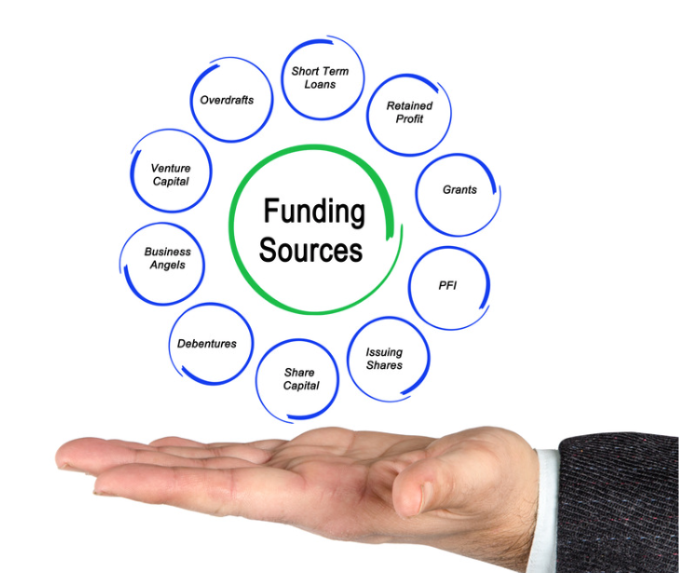
Maximizing Impact with Appropriations Advocacy in Maryland
Appropriations advocacy in Maryland can transform a promising idea into a funded reality. From influencing committee chairs and legislators to building community support and navigating complex budget cycles, every component plays a role in securing public funding. For many organizations, partnering with experienced advocates is the difference between uncertainty and success.
By engaging with policy makers early, crafting compelling narratives, rallying local stakeholders, and understanding the intricacies of state budget processes, your community project can achieve the backing it deserves. Working with experts in this field ensures that your advocacy is strategic, well‑timed, and aligned with legislative priorities, maximizing your impact and likelihood of funding success.
Manno and Associates emphasizes a thoughtful, tailored approach to appropriations advocacy, positioning community projects for success at every stage. Whether it’s inserting budget language, securing line items, or guiding you through committee priorities, the right strategies can help ensure your Maryland initiative receives the funding it needs.
Frequently Asked Questions (FAQs)
Q1: What is appropriations advocacy in Maryland? A1: Appropriations advocacy in Maryland is the process of engaging legislators, officials, and stakeholders to influence how state funds are allocated to support specific community projects and priorities, often through capital and operating budgets.
Q2: Why is early engagement with lawmakers important? A2: Early engagement helps advocates build relationships, explain project benefits, and ensure their project is considered during key budget discussions before final decisions are made.
Q3: How can local support improve funding outcomes? A3: Broad community backing, from residents, nonprofits, and officials, demonstrates widespread interest and urgency, making it more likely that legislators will champion your project.
Q4: What kinds of projects can benefit from appropriations advocacy? A4: Public infrastructure, water and wastewater improvements, community centers, workforce development initiatives, housing programs, and many other community‑focused projects can benefit from successful appropriations advocacy.
Q5: Do you need a professional advocate to secure funding? A5: While not mandatory, working with experienced professionals can provide strategic insights, access to key decision makers, and navigation of complex budget processes, often improving your chance of success.



Comments